Rheum Nobile 5 Seeds, Giant Rare Edible Noble Or Sikkim Rhubarb Vegetable Plant


The Plant Attraction
Rheum nobile
Also known as: Noble Rhubarb, Sikkim Rhubarb
Here is a giant herbaceous perennial native to the alpine tundra of the Himalayas, Afghanistan, Pakistan, India, Tibet among a number of other regions. It's an extraordinary species of rhubarb grown as an ornamental and valued for its culinary use & medicinal properties.
The leaf stems are served up raw but should be cooked and not consumed in large quantities due to the levels of oxalic acid content. Some say the immature flowers can be cooked and eaten like cauliflower but caution should be advised. People with a history of kidney stones, arthritis, gout, or hyperacidity should be especially cautious as it may aggravate their condition. The leaves themselves are poisonous due to the high levels of oxalic acid and should not be eaten at all.
The plant itself can grow to a towering 6-7 feet tall with overlapping, translucent, creamy-white bracts that form a "greenhouse" effect to protect the yellow-ochre colored flowers from cold and high UV radiation. It attracts pollinators like fungus gnats by producing a chemical compound that lures them to lay eggs on the developing seeds. It's a monocarpic perennial, meaning it flowers and sets seed once before dying, although the root can persist. After it flowers and sets seed, the bracts separate and turn reddish-brown.
Slow grow them in full sun or part shade on moist but well-drained soil and roots should be mulched to keep cool in summer. Generally suitable for USDA hardiness zones 4–9. Germinate seeds in a cool greenhouse. If you are starting seeds, transplant the seedlings into pots and leave them there until the second growing season, as they do not transplant well in their first year.
This offer is for 5 seeds.
You may also like...
-

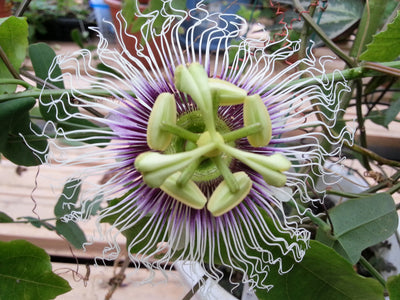 Passiflora Edulis Golden Giant Vine 10 Seeds, Perennial Passion Fruit Climber
$3.99
Passiflora Edulis Golden Giant Vine 10 Seeds, Perennial Passion Fruit Climber
$3.99
-

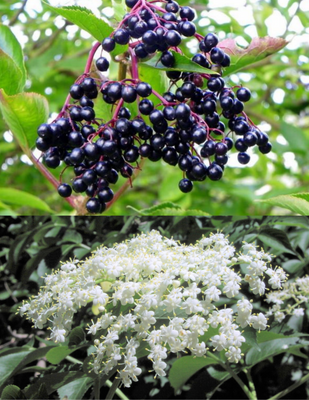 Sambucus Canadensis 50 Seeds, American Elderberry Shrub Cold Hardy Medicinal Herb
$2.99
Sambucus Canadensis 50 Seeds, American Elderberry Shrub Cold Hardy Medicinal Herb
$2.99
-
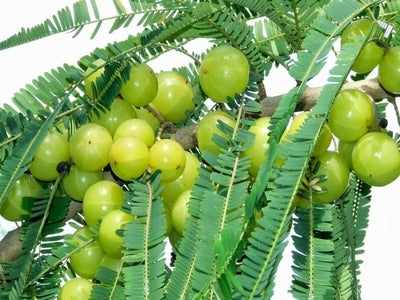
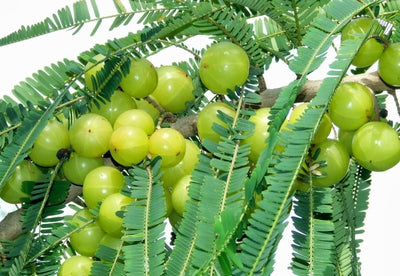 Phyllanthus Emblica Tree 15/100/500 Seeds, Medicinal Indian Gooseberry, Edible Amla Fruit, Emblic Myrobalan
from $4.75
Phyllanthus Emblica Tree 15/100/500 Seeds, Medicinal Indian Gooseberry, Edible Amla Fruit, Emblic Myrobalan
from $4.75
-
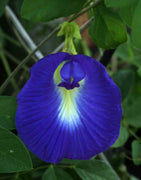
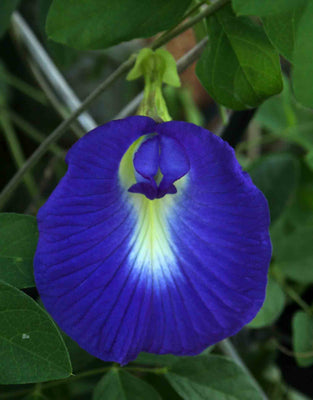 Clitoria Ternatea Blue Garden Vine 15 Seeds, Butterfly Pea, Asian Pigeonwings
$3.99
Clitoria Ternatea Blue Garden Vine 15 Seeds, Butterfly Pea, Asian Pigeonwings
$3.99


Our Favorite Seeds For Planting!