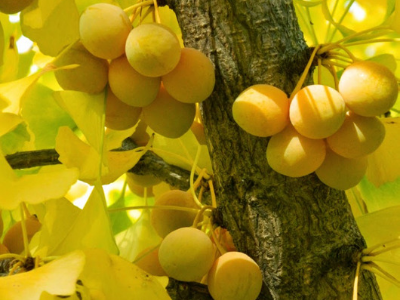
Kohala Longan (Dimocarpus longan) is a highly productive, fast-growing tropical fruit tree prized for its sweet, aromatic fruit with a honey-like flavor. Native to Southeast Asia and well-adapted to subtropical regions, this variety thrives in warm climates and is one of the most reliable longan cultivars for home growers. Its round, golden-brown fruit has a translucent, juicy pulp, similar to lychee but with a richer, caramel undertone. Kohala Longan trees bloom in spring and produce abundant clusters of fruit in mid to late summer. They prefer full sun, well-draining soil, and occasional deep watering, especially during dry spells. With proper care, trees begin fruiting in just a few years, offering a delicious and rewarding harvest season after season.
- Longan trees prefer well-draining, sandy loam soil with a slightly acidic to neutral pH (5.5-7.0). The tree benefits from soil enriched with organic matter, such as compost, to improve fertility and water retention.
- Excellent drainage is essential to prevent root rot, a common problem in overly wet or poorly draining soils. If your soil does not drain well, consider planting longan trees on raised beds or in containers.
- Longans need full sun to thrive, requiring at least 6-8 hours of direct sunlight daily. Adequate sunlight is crucial for healthy growth, flowering, and fruit production.
- Longan trees thrive in tropical and subtropical climates and are best suited for USDA hardiness zones 10-11. They prefer warm, humid conditions and are sensitive to frost. Longan trees can tolerate brief periods of cooler temperatures, but prolonged cold or frost can damage the tree or affect fruit production.
- In slightly cooler regions (zones 9+), longan trees can be grown in containers and brought indoors or into a greenhouse during colder months.
- Longan trees have moderate to high water needs, especially during the growing season and when fruiting. They require consistent moisture, so water them regularly to keep the soil evenly moist but not waterlogged.
- Avoid letting the soil dry out completely, particularly during hot or dry weather, as this can stress the tree and reduce fruit production.
- Fertilize longan trees in early spring with a balanced, slow-release fertilizer to promote healthy growth and fruiting.
- During the growing season, supplement with additional nutrients such as potassium and magnesium, which are important for fruit development.
- Fertilize every 6-8 weeks during the growing season for best results.
- Compost, well-rotted manure, and organic fertilizers can also be used to enrich the soil and provide essential nutrients.
- Longan trees are susceptible to pests such as aphids, scale insects, fruit borers, and mealybugs. Monitor your tree regularly for signs of infestation and treat with insecticidal soap, neem oil, or other appropriate organic pesticides as needed.
- Longan trees can be affected by fungal diseases such as root rot, leaf spot, and anthracnose. To minimize the risk of disease, ensure proper spacing, good air circulation, and avoid overwatering. Fungicides may be used to treat fungal infections, but prevention is key.
- The fruit is ready to harvest when it reaches full size, the skin turns slightly firm, and the fruit becomes fragrant. The flesh inside should be juicy and sweet.
- Harvest the fruits by gently cutting or twisting the fruit clusters from the tree. Longans are best enjoyed fresh, but they can also be dried or stored in the refrigerator for a short period.
This plant ships in plantable coconut coir pots or recyclable nursery pots! Just pop them in the ground or reuse and recycle. Look in the photos for a pot size guide.