Averrhoa carambola Tree, Star Fruit 'Arkin' - Live Plant


Abundant Sweet Large Crispy Fruit
Common Names: Arkin Star Fruit, Carambola
Family: Oxalidaceae
Origin: Southeast Asia (cultivated in Florida and tropical regions)
Arkin Star Fruit (Averrhoa carambola) is the most popular star fruit variety in Florida, prized for its sweet flavor, crisp texture, and high productivity. This variety was developed to thrive in Florida’s subtropical climate, producing abundant crops of golden-yellow, star-shaped fruits. The fruit has a perfect balance of sweetness and mild acidity, making it ideal for fresh eating, juicing, and adding to salads and desserts. The grafted Arkin trees are capable of fruiting now, making it an excellent choice for gardeners seeking fast results. In addition to its delicious fruit, the tree’s attractive foliage and manageable size make it a standout in home gardens.
This Carambola variety was hybridized by Morris Arkin, a Washington, D.C. native stockbroker who retired into the fruitful world of horticulture. In reaping the benefits of homegrown life, the Arkin Star Fruit was born.
Distinctive Features, Uses, and Nutritional Value
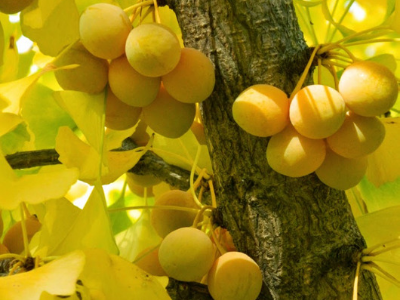
Fruits: Arkin produces medium to large, golden-yellow star fruits with a crisp, juicy texture and a sweet-tart flavor. The fruit is rich in vitamin C, potassium, and fiber, making it a healthy snack. Its unique star shape when sliced adds a decorative touch to any dish. The fruit can be eaten fresh or used in juices, smoothies, salads, and desserts.
Foliage: The tree features glossy green, pinnate leaves that fold up at night. Its dense foliage provides an attractive, tropical look to the garden.
Growth Habit: Arkin is a medium-sized, evergreen tree that grows up to 15-20 feet tall, but it can be pruned to maintain a smaller, more manageable size. It’s well-suited for home gardens, landscapes, or container growing.
Culinary and Ornamental Uses
The Arkin Star Fruit’s sweet-tart flavor makes it highly versatile in the kitchen. It can be eaten fresh, juiced, or used in fruit salads, desserts, and smoothies. Its signature star-shaped slices are perfect for garnishing dishes and drinks. As an ornamental plant, the tree adds beauty to gardens with its lush foliage and vibrant, golden fruit.
- Climate: Star fruit trees grow best in tropical and subtropical climates. They thrive in warm, humid environments with temperatures consistently above 60°F (16°C). Star fruit trees are frost-sensitive and cannot tolerate freezing temperatures. They are best suited for USDA hardiness zones 10-11.
- Container Growing: In cooler regions, star fruit trees can be grown in large containers and moved indoors during the colder months. Ensure the tree gets plenty of sunlight and warmth while indoors.
- Soil Type: Star fruit trees prefer well-draining, slightly acidic soil with a pH of 5.5-6.5. While they can tolerate a range of soil types, loamy or sandy soils enriched with organic matter, such as compost, are ideal for optimal growth.
- Drainage: Proper drainage is essential to prevent root rot. Avoid waterlogged soil and ensure the planting area has good drainage. If planting in a container, use a well-draining potting mix.
- Consistent Moisture: Star fruit trees require regular watering to keep the soil consistently moist but not waterlogged. Water deeply and regularly, especially during the growing season and fruiting period.
- Drought Sensitivity: While star fruit trees are somewhat drought-tolerant once established, they perform best with consistent moisture. Avoid letting the soil dry out completely, especially when the tree is young.
- Balanced Fertilizer: Apply a balanced, slow-release fertilizer every 2-3 months during the growing season to promote healthy growth and fruit production. Fertilizers high in nitrogen, phosphorus, and potassium are ideal.
- Organic Matter: Adding organic compost or well-rotted manure to the soil can help improve soil fertility and provide essential nutrients.
- Trace Elements: Star fruit trees also benefit from micronutrients like magnesium and iron, which can be supplied through a well-balanced fertilizer or by applying Epsom salts if deficiencies are noted.
- Full Sun: Star fruit trees need full sun for optimal growth and fruit production. Ensure the tree receives at least 6-8 hours of sunlight daily.
- Partial Shade: While the tree can tolerate partial shade, too much shade can result in reduced fruiting and slower growth.
- Common Pests: Star fruit trees can attract aphids, scale insects, fruit flies, and mealybugs. Regularly inspect the tree for pests and use neem oil or insecticidal soap to manage infestations.
- Diseases: Star fruit trees are generally disease-resistant but can be susceptible to fungal diseases like root rot and leaf spot if grown in poorly draining soil. Ensure proper drainage and avoid overwatering to prevent fungal issues.
- Harvest Time: Star fruits are typically ready for harvest when they turn from green to bright golden-yellow. The fruit should be slightly soft to the touch and easily come off the tree when ripe.
- Harvesting Method: Harvest the fruit by hand or use pruning shears to cut the fruit from the tree. Regular harvesting encourages continuous fruit production throughout the season.
- Post-Harvest Storage: Star fruits can be stored in the refrigerator for up to two weeks or left to ripen at room temperature for a few days.
This plant ships in plantable coconut coir pots or recyclable nursery pots! Just pop them in the ground or reuse and recycle. Look in the photos for a pot size guide.

You may also like...
-

 Actinidia arguta 'Prolific' Hardy Kiwi Fruit Vine - Live Plant
$24.95
Actinidia arguta 'Prolific' Hardy Kiwi Fruit Vine - Live Plant
$24.95
-

 Actinidia arguta 'Prolific' Kiwi Vine, Hardy Sweet Tangy Live Fruit Garden Plant
$59.95$37.95 SALE -

 Ananas comosus 'Florida Special' Pineapple Fruit- Live Plant
$19.95
Ananas comosus 'Florida Special' Pineapple Fruit- Live Plant
$19.95
-

 Ananas comosus 'Sugar Loaf', Pineapple Fruit Live Plant
Out of stock
SALE
Ananas comosus 'Sugar Loaf', Pineapple Fruit Live Plant
Out of stock
SALE


Our Favorite Seeds For Planting!