Averrhoa carambola, Star Fruit Tree - Seedling Live Plant


Sow Exotic
Star Fruit is an evergreen tropical fruit tree with woody, drooping branches. It makes a great ornamental addition to a home landscape, ticking all of the boxes for a plant that’s useful and good looking. Star Fruit is easy to grow and produces an over abundance of delicious and unique-shaped fruit.
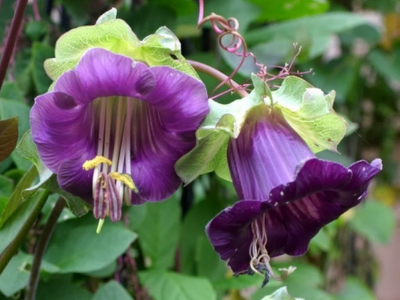
In a tropical to subtropical climate, you can reap the bountiful rewards of growing Star Fruit trees that fruit nearly year-round, when exotic purple flowers give way to the 5-sided star fruits. Carambola fruits are in their prime when they ripen on the tree to a yellow-orange color. Enjoy this sweet star fruit variety fresh, in tea, or combination with other fruits and desserts, or as a garnish for tropical-themed dishes.
Star Fruit seedlings are capable of producing fruit within 2-3 years.
Climate and Zone Requirements
- Climate: Star fruit trees grow best in tropical and subtropical climates. They thrive in warm, humid environments with temperatures consistently above 60°F (16°C). Star fruit trees are frost-sensitive and cannot tolerate freezing temperatures. They are best suited for USDA hardiness zones 10-11.
- Container Growing: In cooler regions, star fruit trees can be grown in large containers and moved indoors during the colder months. Ensure the tree gets plenty of sunlight and warmth while indoors.
Soil Requirements
- Soil Type: Star fruit trees prefer well-draining, slightly acidic soil with a pH of 5.5-6.5. While they can tolerate a range of soil types, loamy or sandy soils enriched with organic matter, such as compost, are ideal for optimal growth.
- Drainage: Proper drainage is essential to prevent root rot. Avoid waterlogged soil and ensure the planting area has good drainage. If planting in a container, use a well-draining potting mix.
Planting Star Fruit Trees
- Location: Choose a sunny spot that receives at least 6-8 hours of direct sunlight daily. Full sun is crucial for star fruit trees to grow and produce abundant fruit.
- Soil Preparation: Loosen the soil in the planting area and mix in organic compost to improve fertility and moisture retention. If planting in a container, ensure the pot has drainage holes and use a well-draining potting mix.
- Planting Time: Plant star fruit trees in spring or early summer when the soil has warmed and the risk of frost has passed.
- Spacing: If planting multiple trees, space them 10-15 feet apart to allow for their spreading canopy.
Watering
- Consistent Moisture: Star fruit trees require regular watering to keep the soil consistently moist but not waterlogged. Water deeply and regularly, especially during the growing season and fruiting period.
- Drought Sensitivity: While star fruit trees are somewhat drought-tolerant once established, they perform best with consistent moisture. Avoid letting the soil dry out completely, especially when the tree is young.
Pruning and Maintenance
- Light Pruning: Regularly prune star fruit trees to remove dead or damaged branches and shape the tree. This helps maintain a manageable size and promotes air circulation, reducing the risk of pests and diseases.
- Growth Management: Star fruit trees can grow up to 20-30 feet tall, but they can be pruned to a smaller size for easier harvesting, especially in home gardens or containers.
- Container Growing: For container-grown star fruit trees, ensure the container is large enough to accommodate the root system. Prune roots when necessary and repot the tree into a larger container as it grows.
This plant ships in plantable coconut coir pots or recyclable nursery pots! Just pop them in the ground or reuse and recycle. Look in the photos for a pot size guide.

You may also like...


Our Favorite Seeds For Planting!